

Depression and Anxiety in Women in Their 20s and 30s: Signs, Support, and Treatment
Depression and anxiety can affect women in their 20s and 30s in ways that are easy to overlook, including persistent worry, low energy, irritability, difficulty concentrating, or losing interest in things you once enjoyed.
You may still be managing work, relationships, and everyday responsibilities while feeling overwhelmed or unlike yourself. If these feelings are persistent or interfering with your daily life, it may be time to consider professional support. You do not need to be in crisis to reach out for help.

CareCredit at Cuda Counseling: Making Therapy More Accessible
We believe cost shouldn't decide who gets to feel better. That's the whole reason we offer CareCredit. It's one more option to help make therapy accessible, so more people can get started with counseling without having to pay for it all at once.

Three New Faces, Three New Ways to Find Support at Cuda Counseling
This month, we're excited to share some big news at Cuda Counseling: our team is growing.
As more people throughout Herkimer, Rome, Utica, and the surrounding Mohawk Valley seek support for their mental health, we're committed to making quality therapy more accessible. That's why we're thrilled to welcome four new clinicians to the Cuda Counseling family: Lauren Mossing, Wanda Velez, Alan Mackie, and Jennifer Yager.

May is Mental Health Awareness Month: Why awareness matters
Every May, people across the country recognize Mental Health Awareness Month, a time dedicated to increasing understanding around mental health and encouraging open conversations about emotional well-being. While awareness has grown significantly over the years, many people still struggle in silence due to stigma, fear, or uncertainty about where to turn for support.

Progressive Counting Therapy: What it is, how it works, and who it helps
When a person experiences trauma, the brain may not fully process the event. Instead, the memory can remain fragmented and emotionally charged. This can lead to symptoms such as anxiety, intrusive thoughts, and emotional distress. Progressive Counting therapy helps the brain reprocess these memories so they become less overwhelming.

EMDR: When your brain keeps hitting “refresh” on old memories
EMDR, which stands for Eye Movement Desensitization and Reprocessing, is a structured, evidence-based therapy designed to help people process distressing or overwhelming experiences. Rather than focusing only on talking through events, EMDR works with how the brain stores and responds to memories. When certain experiences remain “stuck,” they can continue to trigger emotional or physical reactions long after the event has passed.
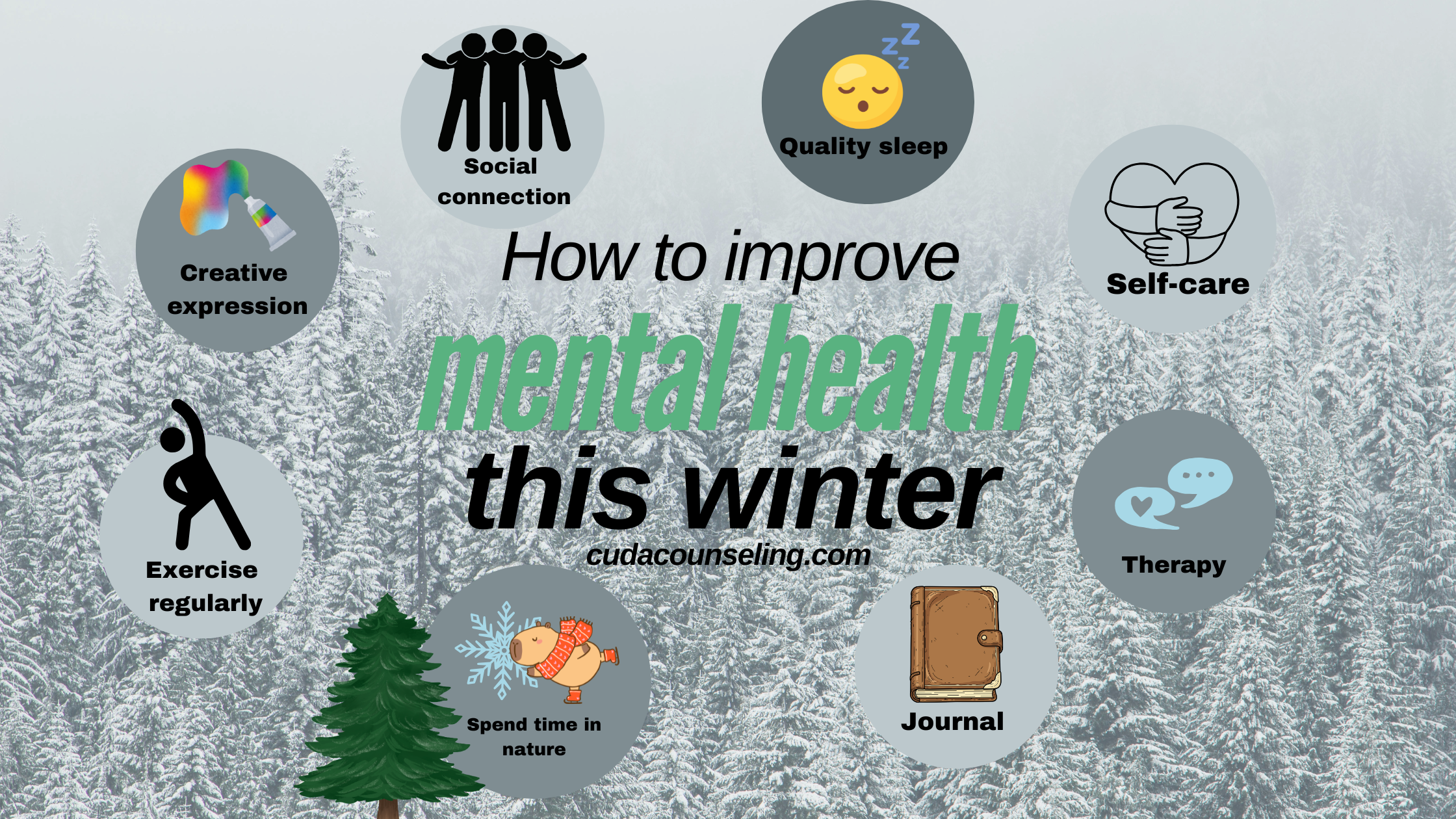
Seasonal depression in February: Why this month feels so heavy (and how to get through it)
February has a reputation for feeling deceptively heavy. The holidays are long gone, spring still feels out of reach, and the routines that carried people through January can start to feel stale or exhausting. Even though February is objectively the shortest month, many people report feeling emotionally worn down, unmotivated, or unusually irritable during this time.
For some, this experience overlaps with seasonal depression, a pattern of low mood and energy that tends to peak during the winter months when daylight is limited and recovery feels harder to access…

Why shame-based change rarely sticks in therapy
January often arrives with pressure to fix ourselves. This piece explores a kinder, more sustainable way to approach growth—one rooted in intention, compassion, and progress over perfection.