
Seasonal depression in February: Why this month feels so heavy (and how to get through it)
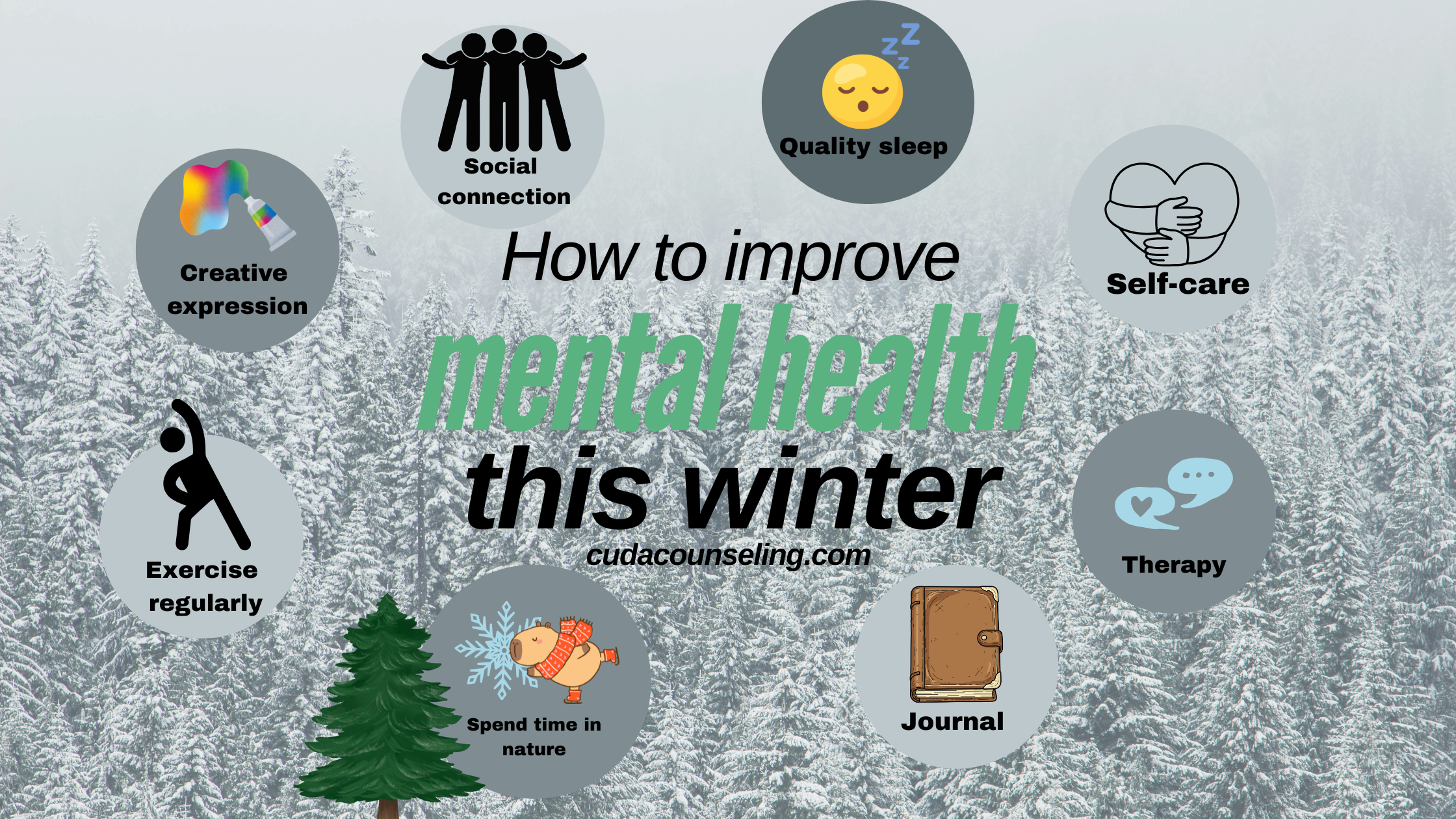
February has a reputation for feeling deceptively heavy. The holidays are long gone, spring still feels out of reach, and the routines that carried people through January can start to feel stale or exhausting. Even though February is objectively the shortest month, many people report feeling emotionally worn down, unmotivated, or unusually irritable during this time.
For some, this experience overlaps with seasonal depression also known as seasonal affective disorder (SAD), a pattern of low mood and energy that tends to peak during the winter months when daylight is limited and recovery feels harder to access.
Why February Can Make Seasonal Depression Feel Worse
One reason February feels so long is that it often arrives with fewer emotional markers. There are fewer built-in breaks, less novelty, and limited daylight. When there is nothing clearly ending or beginning, it can be harder for the brain to stay oriented.
This doesn’t mean something is wrong — it means your nervous system is responding to a prolonged period of low stimulation and limited recovery, which can intensify symptoms of seasonal depression as winter drags on.
Adjusting Expectations During Seasonal Depression
One helpful approach during February is to shift expectations. This month may not be the time for major breakthroughs or ambitious goals. Instead, focusing on maintenance can be healthier.
That might look like protecting sleep, keeping routines simple, and choosing consistency over intensity. Progress during seasonal depression often shows up quietly — by not burning out or pushing past your limits.
Small Ways to Support Mental Health in February
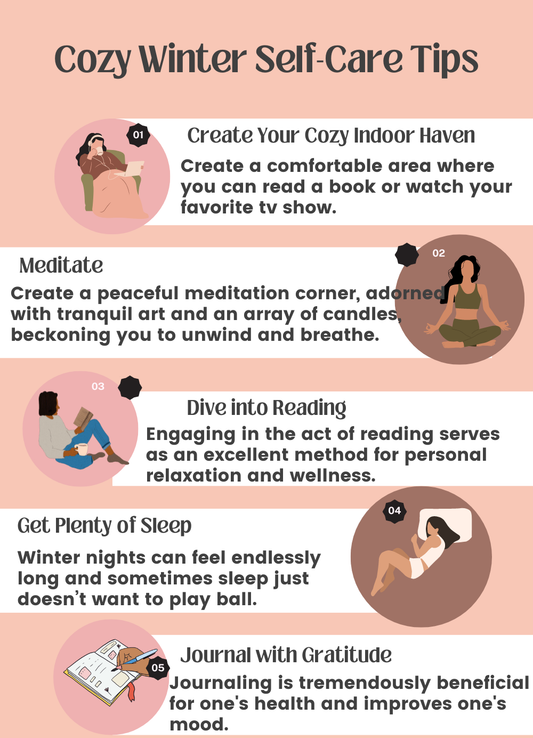
It can also help to introduce small, intentional markers into the month. Scheduling something to look forward to, even if it’s minor, gives the brain a sense of movement.
Giving yourself small things to look forward to can look like:
A planned day off from work/ mental health sick day
A standing walk or coffee date with a friend
Weekly bubble bath
Playing with a pet
Any weekly ritual that signals time passing in a manageable way can help counter the emotional flatness that often comes with seasonal depression.
When Seasonal Depression Signals It’s Time for Support
February is a good month to check in rather than push through. If mood feels persistently low, energy is depleted, or irritability is increasing, it may be a sign that support would be helpful.
Reaching out — whether to a trusted person or a mental health professional — is not a failure of resilience. It’s a way of making the longest short month feel a little more survivable.